Name Meaning
Overview
\n
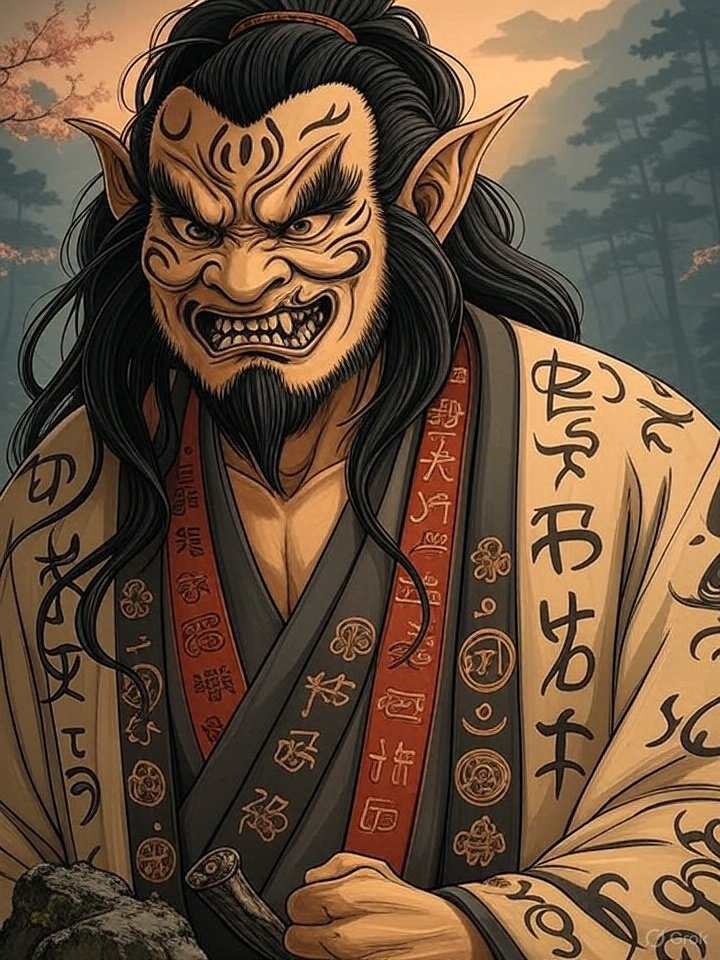
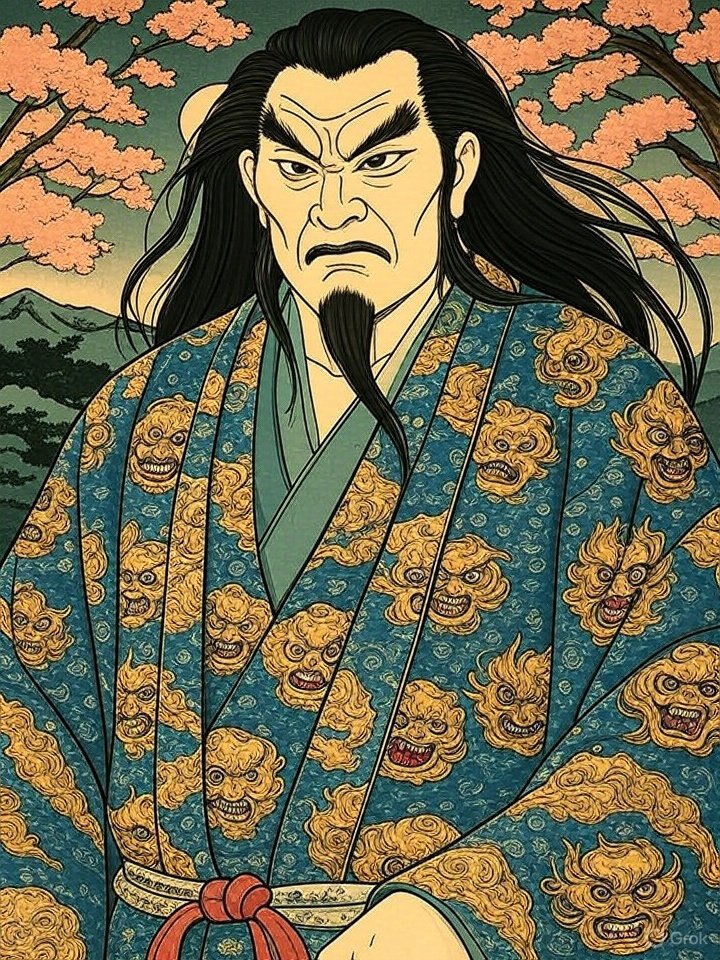
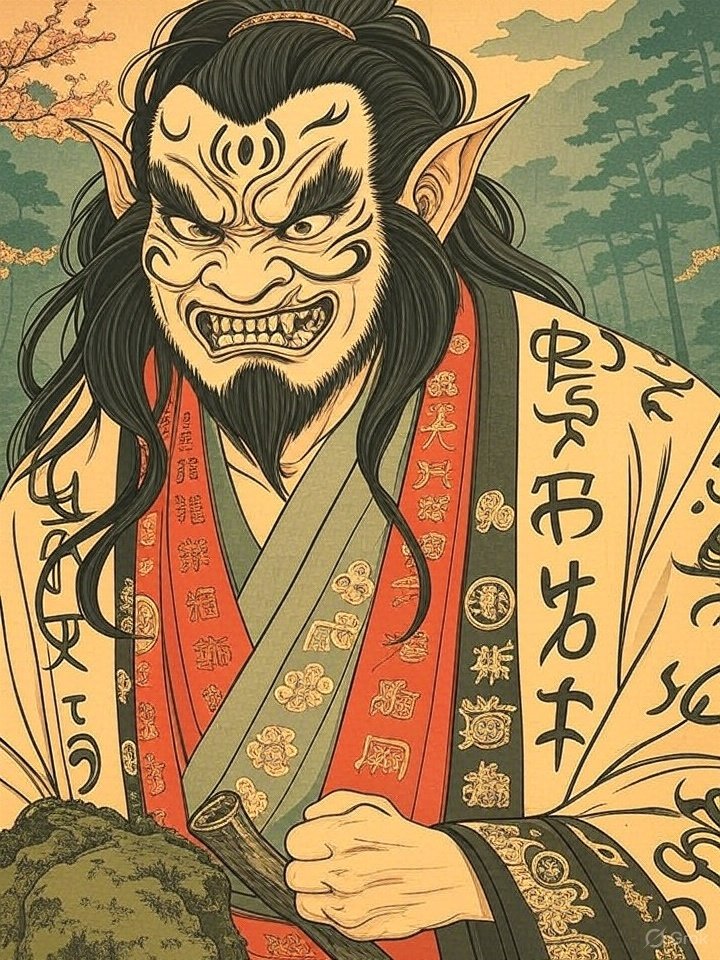
Amamehagi (アマメハギ) is a traditional ritual figure from Japan's Hokuriku region, portrayed as a demon-like being who visits households during New Year’s or winter festivals to scare children and admonish laziness.
- "Ama" (アマ) = Leg or foot
- "Mehagi" (メハギ) = To peel or scrape off skin → “Skin-Peeler of the Legs”
Origin
- Rooted in folk traditions from Ishikawa and Yamagata Prefectures in the Hokuriku region.
- Closely related to other visiting deities like Namahage and Oniyo.
Appearance
- Masked figure wearing straw coats or robes.
- Often carries tools like buckets, ladles, or wooden knives.
- Red or blue demon-like masks with fierce expressions are common.
Behavior & Festival Role
- Performs household visits during ritual events to check on children and lazy adults.
- Shouts warnings like “Any lazy people here?” and pretends to scrape the legs of those who have been idle.
- Viewed not as evil, but as a disciplinary guardian ensuring community moral standards.
Symbolism
- Embodies purification, seasonal renewal, and social discipline.
- Serves as a cultural reminder to work diligently and honor responsibilities.
- Registered as part of Japan’s Intangible Folk Cultural Assets for its historical significance.